Table of Content
This method measures the volume of air in the lungs and helps the physician determine whether oxygen therapy is needed. However, peak expiratory flow measurements are not as accurate as spirometry measurements, and they may not reflect a significant change in lung function. As a result, it is important to talk to your GP or an asthma nurse about your symptoms. Your healthcare provider should also review your results at least once a year. Peak expiratory flow monitoring is a test to measure your lung capacity.
Learn how to practice pursed lip breathing and understand its benefits for relaxation and easing health conditions such as COPD. Healthline has strict sourcing guidelines and relies on peer-reviewed studies, academic research institutions, and medical associations. You can learn more about how we ensure our content is accurate and current by reading our editorial policy. This breathing exercise is often easier for beginners than diaphragmatic breathing, and you can do it at home even if no one has shown you how. If you’d like to use this method of testing, it’s recommended you do it once a month.
Med Reminder & Health Tracker App
Whether you are planning on taking a lung capacity test at a hospital or doing it at home, you’ll want to make sure you prepare for it as much as possible. Perform breathing exercises regularly using a breathing exerciser like AirPhysio, which has been proven to be effective to reduce any breathing issues. This device is also helpful for people with lung diseases since it can assist them in breathing more easily and naturally. Some doctors suggest home monitoring as well, as it can help you keep better track of your health. You hold it in your hand and blow into it as hard as you can to get a measure of the greatest airflow rate you can produce. A common method is using a Peak Flow Meter, a handheld device that measures the strength of your breath.
Many lung diseases can be identified early with lung function testing, but the only way to know if you’re at risk is to take a lung function test. Lung capacity is usually measured as how much air someone can inhale and exhale in one breath, and lung disease patients will often have reduced lung capacities. Also check the peak flow meter for any obstructions or foreign objects, then follow the following steps to efficiently perform the lung function test. Getting accurate results when checking lung capacity at-home can be challenging. Many systems are expensive, hard to use, or require you to buy special equipment. But it’s possible to get accurate results with the right device.
Lung Function Tests
When you have a lung disease or other respiratory concern, the status of your condition fluctuates from day to day. Knowing your lung capacity will help you keep track of your health, and it’s something you can do at home. Lung function tests include a variety of tests that check how well the lungs work.
You can tell you have a low lung capacity when you can’t take a deep breath, or you feel difficulty in breathing. Or you can simply use AirPhysio for more accurate measurement. Once you’ve done that, measure the lung capacity by measuring how much air is expelled from your lungs in one breath. To measure the air, you can use a balloon and a water container is filled to the brim to get an accurate result.
Is there anything else I need to know about lung function tests?
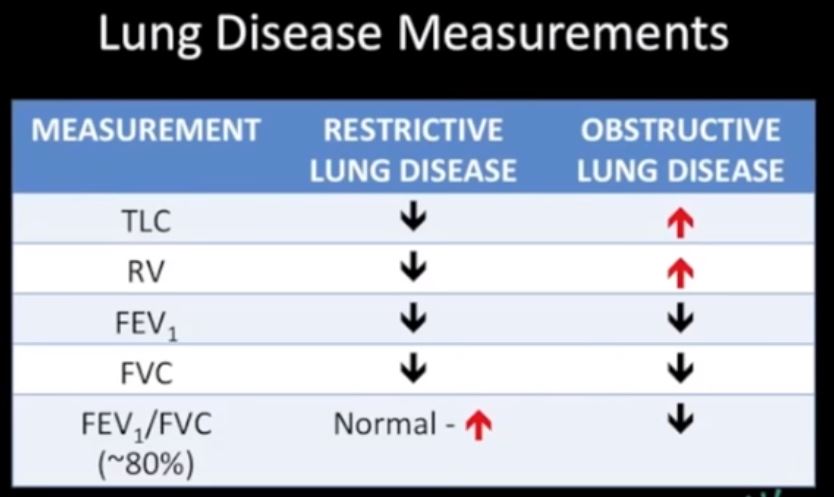
Normal values are calculated based on age, height and gender. If a value is abnormal, a lung problem may be present. Sometimes a patient with normal lungs may have a breathing test value that is abnormal. Your doctor will explain what your test results mean. Spirometry is used to screen for diseases that affect lung volumes. It also is used to screen for diseases that affect the airways, such as COPD or asthma.

Some conditions such as asthma can significantly speed up the loss of lung capacity and functioning. This leads to difficulty in breathing and shortness of breath. The results of the test are used by your healthcare provider to decide how well your lungs are functioning. Low FEV1 values can indicate a serious disease, such as asthma or COPD. The healthcare provider can also use the results to check the effectiveness of treatment for asthma or COPD.
When you have a remarkably low lung capacity, it means you have lung disease. Add breathing exercise to your daily exercise routine. For an effective breathing exercise, you can use a lung expansion device as well. It’ll increase your lung capacity and solve different type of breathing problems.
The idea of performing any sort of self-test can be daunting, but this one is incredibly simple. All you need to do is jog up two flights of stairs or walk six blocks, whichever you prefer. If you’re able either of these without stopping or feeling extremely fatigued, your lungs are likely in reasonable condition.
For most of the tests, you'll wear a nose clip to keep air from leaking through your nose. Then you'll breathe into a mouthpiece connected to a recording device. There are several different types of lung function tests. The spirometer will measure the amount and rate of air flow over a period of time.
In case of obstruction by cough or anything else, eliminate that reading & record again. Translation services are available in more than 130 languages. If you are looking for health services in your community, you can use the HealthLinkBC Directory to find hospitals, clinics, and other resources. This information does not replace the advice of a doctor.
It’s a handheld device capable of determining the strength of your breathing according to the peak expiratory flow. You just need to breathe one end of the device, and the meter of the device will immediately show you the reading on the scale. Find certain lung diseases, such as asthma or chronic obstructive pulmonary disease . These diseases cause airways to become narrow, making it hard for air to flow out of the lungs. Obstructive lung diseases include asthma, bronchitis, and emphysema. Symptoms of low lung capacity can include shortness of breath, difficulty breathing, and fatigue.


No comments:
Post a Comment